Evolution of the Book

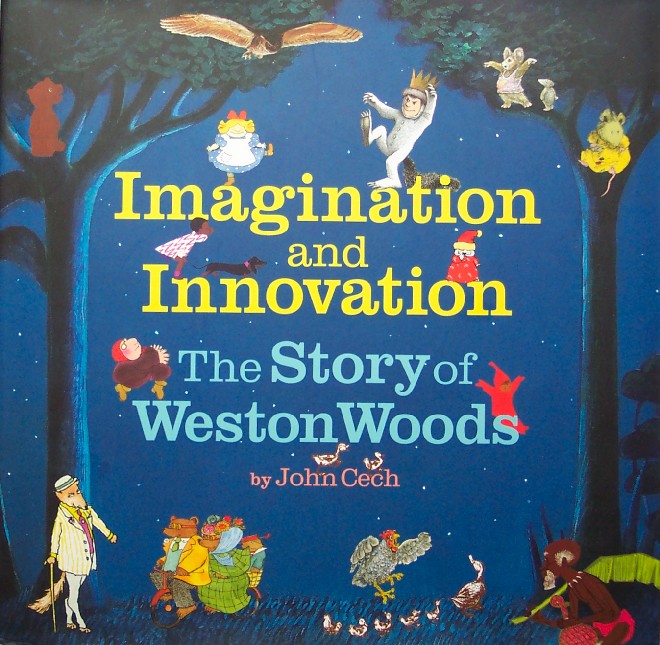
weston woodsI was drawn to librarianship, as most of us were, because I loved (and love) books or, more specifically, a great story.  Although my career started many years ago, even then technology in the form of filmstrips was intertwined.  As an elementary school librarian I found Weston Wood filmstrips were a wonderful way of having a class be able to focus on a picture book.  It never occurred to me that these were a part of the evolution of the book, and I am beginning to wonder where we are headed and how quickly we are getting there.

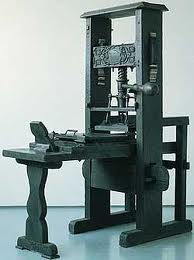
True, books have been evolving since the codex replaced the scroll which was an improvement over clay and wax tablets.  These developments however all moved at a rather slow pace.  Gutenberg’s invention of the printing press around 1440 was a huge leap forward and through the years, modifications were made to speed the process.Printing press
Everything changed with advent of computers.  The technology not only improved the printing process, it also made possible more creative fonts and typesetting.  E-readers took longer than the market first thought it would, but Amazon’s Kindle proved to be the game changer people were looking for.  Now libraries have both print and e-books in their collections, but the content is still recognizable as a book.
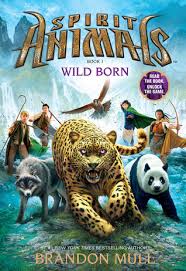
wild bornInformational nonfiction books are appearing with links to websites promoting interactivity, and several fiction titles ask readers to enter into the story by going to a website.  (I am thinking primarily of Brandon Mull’s Wild Born the first in a major multi-author series[Scholastic, 2013, 202 p. 978-0-545-52243-4] which I just reviewed for the February/March 2014 issue of School Librarian’s Workshop.)  In both these situations the book is still the basic format, but this might be changing.

Recent developments are suggesting a new landscape-altering evolution is on the way.  I have been hearing of books that began as video games and now it seems that a video game is functioning as a book http://www.theatlantic.com/entertainment/archive/2013/11/this-video-game-could-revolutionize-publishing-and-reading/281765.  Whether or not Device 6 takes off, it seems to me this new mash-up is a prelude to what is coming.  I cannot begin to envision how the book will evolve in the next few years, but I am convinced what will always matter is the power of story—no matter the media or platform.

What do you think?
Tagged with: , , , ,
Posted in General, Librarian Life

Being Thankful

i have so muchWith the Thanksgiving holiday approaching, I am more mindful than usual of the many gifts in my life for which I feel extremely fortunate.   In my first blog post I related how I became a school librarian—a career choice I fell into but one which has instilled my life with purpose and meaning. 

My career took many unexpected turns, and today I want to express my thanks to the people in my life who have helped me along my journey.  First and foremost, I am thankful for the friendship and partnership I shared with Ruth Toor.  We met at a post-Masters course at Rutgers University in what is now the School of Communication and Information.  For the final project, we both wrote a volunteer manual which morphed into our first book, The Elementary School Librarian’s Almanac published in 1979. 

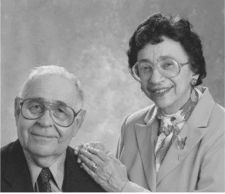
Jay and Ruth Toor

Jay and Ruth Toor

The huge success of the book prompted our publisher, the Center for Applied Research in Education—a division of Prentice Hall—to ask us to create School Librarian’s Workshop.  The first issue appeared September 1980.  When Prentice Hall decided to sell it off, Jay Toor, Ruth’s husband bought it and subsequently published nine of our next books.  In 2011, Ruth who was showing the effects of Alzheimer’s realized it was time to retire, and Jay gave me the publication, turning me into a business owner.  I am so thankful to him for the gift as I love working on School Librarian’s Workshop and it would have been a huge emotional loss to me if we ceased publication.

As a new business owner, I turned the publication into an e-newsletter, but more importantly recognized I couldn’t do it alone.  My daughter, Rona Gofstein, became my Operations Manager, handling the business end including this website and being my fantastic editor.  I am so thankful she took this on in addition to all she is doing in her life including her own published writing and homeschooling her sons.

My son, Jeffrey Weisburg, also offered his talent and expertise and he is now my Sales and Customer Service Manager—in addition to being a college professor at two institutions and his amazing support of his sons.  Again, I am thankful he made Weisburg Associates, LLC a truly family business.

i am thankfulLastly, but in a real sense foremost, I am so thankful for Marvin, my husband of fifty-one years.  Through every twist and turn of our lives he has been there, always encouraging me, believing I could do whatever I took on.  I would not have been the person I am today without him.

I am thankful for many other friends and family who enrich my life, but I wanted to pay a special tribute to Ruth and Jay Toor, Rona and Jeff, and, of course, Marv.  From the bottom of my heart, I thank you.

I wish all of you a very happy Thanksgiving Day and hope it is filled with family and friends.  May you have the chance to thank those who have made a difference in your life.


Posted in General

A Dream Deferred

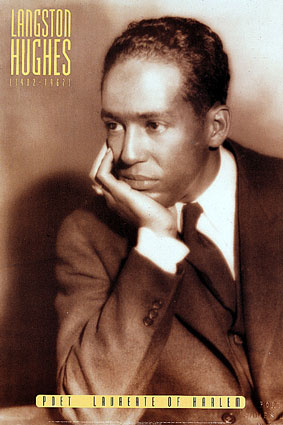
In “A Dream Deferred” also called “Harlem,” Langston Hughes, referring to the lives of African Americans said,

LHughes

What happens to a dream deferred?

Does it dry up
like a raisin in the sun?
Or fester like a sore–
And then run?
Does it stink like rotten meat?
Or crust and sugar over–
like a syrupy sweet?

Maybe it just sags
like a heavy load.

Or does it explode?

© Langston Hughes http://www.cswnet.com/~menamc/langston.htm

what happensI always loved the poem not ever seeing how it applied to me.  An avid reader from my early childhood, I dreamed of someday becoming an author myself.  Perhaps you share that dream as so many readers do. I was ecstatic when my first book, co-authored with Ruth Toor, The Elementary School Librarian’s Almanac: A Complete Media Program for Every Month of the School Year (The Center for Applied Research in Education, 1979, 256 p. 0-87628-299-0) was published.  It was followed by fourteen other books for school librarians.  The latest being School Librarian’s Career Planner (ALA, 2013, 126 p. 978-0-8389-1178—5).  I am proud of all of them, but this wasn’t the writing career of my dreams.

In 2004, I retired as a high school librarian (obviously, that’s all I retired from) and the following June when I would have been working, my daughter took me with her to International Women’s Writing Guild’s summer workshops then held at Skidmore College. Along with lots of other writing I did during those five days, I started a novel in one of the classes.  I completed it in fits and starts thanks to the gentle (and not-so-gentle) prodding of others.

Six drafts later, a hunt for an agent proved fruitless.  (I may not have been sufficiently diligent.) Then a small independent publisher began a separate company for young adult books and accepted Woven though Time.  On October 9, my dream of so long ago became a reality.  In the opening of the “Acknowledgments,” I say, “Sometimes it takes a village to make a dream come true,” and conclude, “never lose sight of your dream, and share it with the people who care about you.  They may very well be the ones who help you make it come true.”possiblr

Do you have a dream you think will never be realized?  Try sharing it with others and find a plan to make it a reality.  With a few weeks to go before the end of the year, now is a great time to put things in motion.

Tagged with: , , , ,
Posted in General

Social Networking

exhibit floorI planned to begin this post by talking about going to the AASL Conference and Exhibition this coming week in Hartford, Connecticut.  I was going to share about “networking” with my friends and colleagues (who are frequently one and the same) and distinguishing this activity from my daily “social networking” when it occurred to me how strange the term is.  All networking is social, whether we do it online or face-to-face. We seek it out because it is vital to humans since we are social beings who need contact with others.

Despite our almost constant online connections, social networking is always better face-to-face. You can see it in the way we greet each other at these conferences.  Smiles are huge.  We catch up quickly on what is happening in our lives –even though we have shared much of it on Facebook, Twitter (abbreviated) and social media.  The fact is, online we exchange snippets rather than substance.  When we meet in person, we exchange knowledge and experience, have give-and-take discussions, and easily communicate our passion and enthusiasm—without emoticons.

social mediaBecause of technology—and financial constraints—many choose to attend conferences online.  They learn and benefit from the sessions presented and that’s a wonderful alternative to missing the whole thing, but they don’t get the personal interactions. At every conference I have attended, and I have been going to ALA Conferences since 1979, the flow of conversation is non-stop – in chairs outside meeting rooms, on the exhibit floor and while having a meal or snack with a colleague who lives a continent away.  I love the presentations, but, for me, the biggest lure of conferences is the “social networking.”

I'm presentingSo if you are going to the AASL Conference, do come to my program “Plan for Success—Or Plan to Fail” at 8:00 am on Saturday in Room 11 and “network” with me afterwards.  For those of you not attending, we will just have to meet online. I am on Twitter @hildakw, on Facebook, and on The School Librarian’s Workshop Facebook page at https://www.facebook.com/#!/groups/57409801076 and on LinkedIn.

Posted in Uncategorized

Train of Thought

trainI am looking forward to returning home by train after spending the weekend on Cape Cod at a writers’ retreat.  It’s not that I didn’t thoroughly enjoy my time this weekend.  I was with my daughter, whom you may know is my editor for School Librarian’s Workshop as well as my business manager and webmistress, and spent relaxing days polishing a picture book I wrote (am looking for an illustrator because my publisher is too small to find one for me), getting back to an adult fantasy I started on were-dragons, and developing the plot and characters for a sequel to the newly published Woven through Time (I usually am reading two or more books simultaneously.  This is the first time I am writing two at the same time!).

But to get back to my upcoming train trip.

Years ago I loved flying to my destinations.  Whether for business or pleasure, the glamour of airplanes cultivated by the movies of the 1940s and 1950s lingered in the imagination.  Today, with all the security and restrictions, I dread flights.  If I carry on my suitcase, I have to figure out how to get all the liquids into 3 oz. or smaller containers and all of them packed into a quart-size plastic bag.  Not fun.  If I check my suitcase, there’s the hassle and worry retrieving it at the other end.  Seats are more cramped than ever, and if you aren’t flying first class you really need to bring your food with you.cafe car

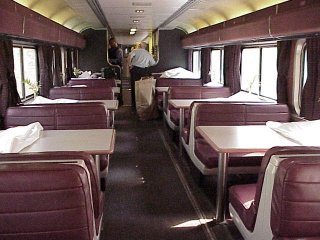
By contrast the train is civilized.  I love sitting at banquette in the café car as I did on the way to the retreat.  I have room to spread my things. There are outlets to plug in my netbook and/or cell, and/or e-reader.  While the wi-fi may blink off on rare occasions and when switching tracks the electricity cuts out so you go onto battery power for a few seconds, the entire trip is wonderfully conducive to getting work done and relaxing. No flight attendants sell you drinks and food, but you get up, stretch your legs and buy your own.  (Granted, it’s no better than on a plane, but at least it’s on your schedule – not theirs.)

train of thoughtSo, I will be heading home in a few hours. Wish me luck in finding a space in the café car. (MONDAY MORNING NOTE – I did!!)

I will let you know how it went on the School Librarian’s Workshop Facebook page https://www.facebook.com/groups/57409801076.  If you haven’t done so already, join me there and share here—or there—what you like/dislike about traveling.


Posted in Uncategorized

Downtime

downtimeI am the new generation of “retired.”  Nine years ago, I retired from being a high school librarian but – that didn’t mean the end of my working life.  I continue writing books for school librarians (the newest School Librarian’s Career Planner was published in June by ALA Editions) as well as School Librarian’s Workshop, becoming the publisher with the June/July 2011 issue.  I also am an adjunct at William Paterson University (NJ), do numerous workshops each year, present at AASL and ALA, serve on ALA and AASL committee, create and teach an online course for ALA Editions on Being Indispensable (http://www.alastore.ala.org/detail.aspx?ID=10774) beginning November 4, and—as you know—have my first YA fantasy, Woven through Time now published and available from Amazon. While I love everything I do, I work about seven days a week—the new retirement.

Downtime is not normally on my “to-do” list.  Yet, I have learned not to let the demands of work keep me from being with my family and friends. This past weekend—from Thursday through Sunday—my daughter (without her husband this trip) and came down to New Jersey from Massachusetts with my two grandsons, ages almost 14 and 11.  While she attended the Romance Writers of NJ Conference, my husband and I got to spend more time than usual with the boys.  When the elder went to the city with his uncle and cousins, the younger one and I spent the afternoon together including a two-hour stint at the bowling alley.  Sunday the four of us (leaving my husband to rest) went to the outlet mall in Jackson. 18 minutes

At no time did I think or worry about the work awaiting me.  I have learned everything will get done, it always does.  I also recognize taking time away from my computer and being with the people who matter so much to me, refreshes and re-energizes me. It is confirmation of what I have been reading in Peter Bregman’s 18 Minutes: Find Your Focus, Master Distraction, and Get the Right Things Done (Business Plus, 2011,  978-0-446-58341-1), the selection for the “One Book, One Conference” at the AASL Conference and Exhibition in Hartford, Connecticut November 14-17, 2013.  Whether or not you attend the conference, the book is worth reading.  We are so tied to our jobs, too many of us have lost sight of what is important. When we become overworked and overwhelmed, we lose our enthusiasm and passion for doing what we love.

do moreAre you stepping back and making time for yourself and for being with family and friends?  Nothing on your schedule is more pressing than being with those most important to you.  How are you showing work is not your number one priority?

Posted in Uncategorized

Failing Your Way To Success

failure to successI was waiting on line for a book to be autographed while at the recent SLJ Leadership Summit in Austin, Texas and got into a conversation with Elyssa Malespina, an excellent school librarian and occasional contributor to School Librarian’s Workshop.  I mentioned my disastrous first years on the job and what I learned about myself and librarianship as a result.  She was surprised, somehow thinking I was always successful and then referred to failures in her past and how they led to her current success.

It struck the two of us how we have neglected to encourage students to fail as part of their education.  We work so hard to make them successful, we inadvertently cause them to fear failure, avoiding situations where they might fail.  Almost nothing is learned from success.  We only learn from our failures, and by reducing (or eliminating) opportunities to fail we are producing students who don’t have “grit.” Students’ inability to cope with failure is a growing concern and one we need to address.failure key to sucess

In addition to building “failing, learning, (maybe failing again, learning), succeeding” into our instructional practices, we can help students be more open to the pain and discomfort of getting it wrong by sharing our own experiences with them.  It makes us more human and lets them see successful adults who have failed at something and how the experience was an invaluable step towards their future success.

how you spell successTalk to students about how willing they are to fail in a video game – and get killed.  They immediately learn what they did wrong, go back to the game and with the new knowledge move on—until they are killed again and the process is repeated.  Remember the old story of the man, moved by a butterfly’s trying to get out of a cocoon, sliced it open to ease the way.  The butterfly fell to the ground.  Only by struggling would the butterfly develop the muscles necessary for flying.  Let’s teach our students the value of failing so they learn how to fly.

What successes have you had that came after failing?

Posted in Uncategorized

“Chopportunity”

challenge_opportunityI have just returned from the School Library Journal Leadership Summit in Austin, Texas.  Besides re-connecting with librarian friends I usually see only at ALA and AASL Conferences, I met a host of new ones who are going to be a great addition to my Personal Learning Network.  While the people contacts mean a great deal to me, these gatherings are about learning and sharing how we can better do our jobs and demonstrate why we are vital and indispensable to students and our professional colleagues.

By now you may be wondering about the title of this week’s blog.  It is a mash-up word I learned at the Summit and one I will be using often, combining Challenge and Opportunity.  I strongly believe our mindset influences how we look at our world and feel about what we do.  With all the grim news about cuts in library positions and budgets, it is easy to have a pessimistic attitude about the future which affects how you interact with others on a daily basis.the bigger the challenge

Chopportunity changes your mindset.  Instead of viewing a situation as a problem, consider it a challenge.  The shift puts you in charge of the situation rather than feeling like a victim of what is happening around you.  What challenge are you (and your teachers and administrators colleagues) facing?  OK—there are a number, but just focus on one.

Now think like an entrepreneur.  A challenge means the status quo no longer exists.  You have an opportunity to do things differently, bring in new partners, and find an exciting approach to reach core goals which would not have been considered as long as people were satisfied with how things were going. (Do check to be sure your core goals are not rooted in the past.  The past is dead.)

win the raceBy changing your mind set, thinking outside the box (or discarding the box entirely), you can generate enthusiasm and lead the way in your building and/or district.  Your vision and solution-oriented approach will draw others to you.  You might look back on these years and see the “challenges” were the best way to move forward.

Do you see Chopportunities in your school or district?  What are they?  What are you doing about them? Let’s get a discussion going.

Posted in Uncategorized

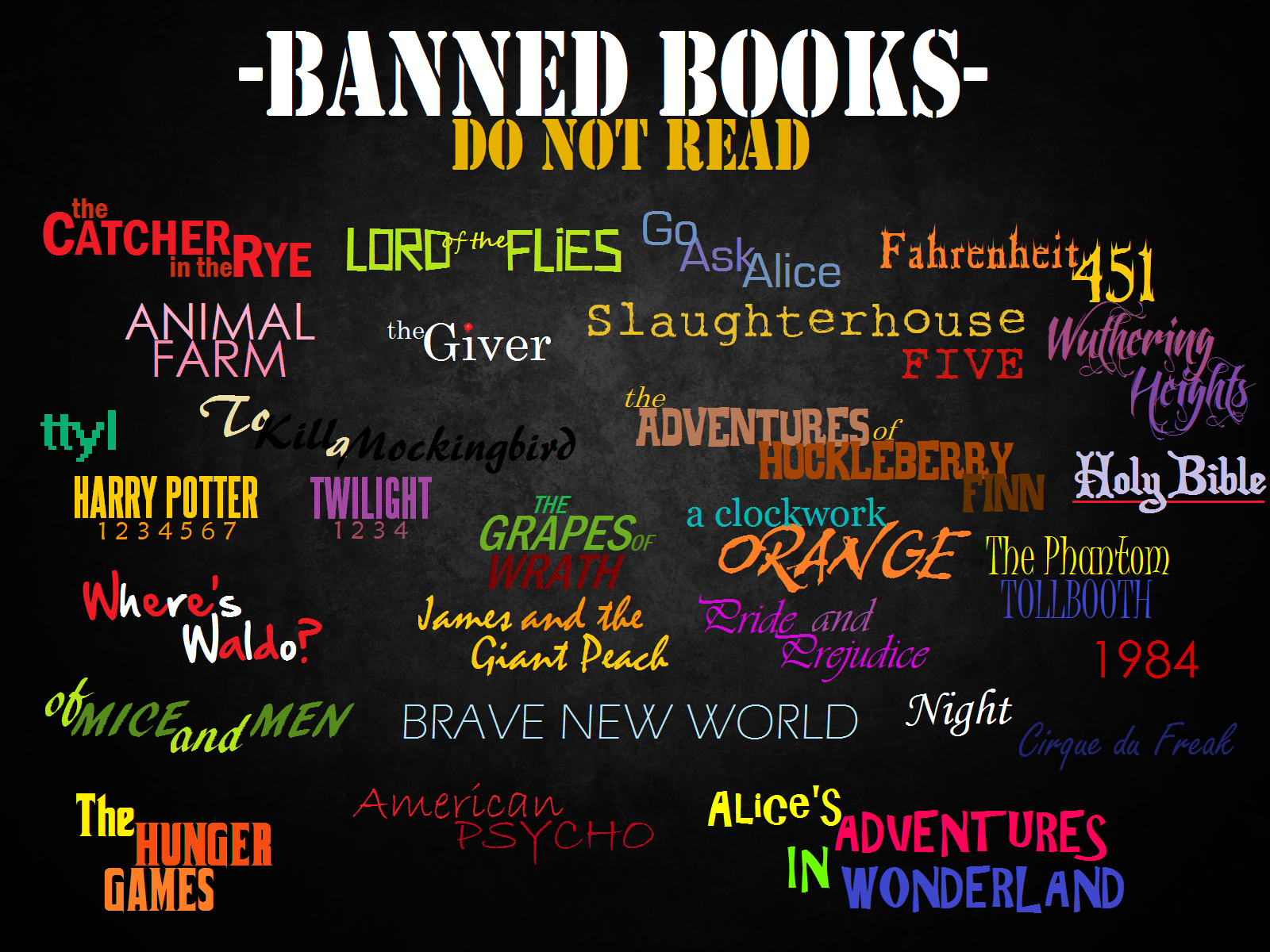
Banned Books Week

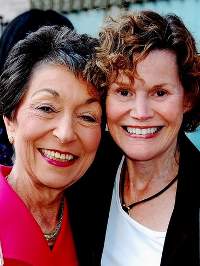
Judith Krug and Judy Blume.

Judith Krug and Judy Blume.


The late Judith Krug of ALA’s Office for Intellectual Freedom (http://www/ala.org/oif) is credited with beginning this annual event held during the last week in September.  This year it runs from September 22-28.  While all of us believe in open access to information, it can become a scary concept to defend, particularly in some locations.

If you are not tenured, defending a challenged book can cost your job. Those with tenure risk ostracism, anger, reassignment, and possible retaliation to the library program.  Standing up to censors takes an inordinate amount of courage.  Even with support, the librarian (and I know one) frequently feels alone.  Yet, each year public and school librarians rise to meet those who would impose their personal opinions and moral beliefs on others.  Some of these heroes are honored at the state and national level with an Intellectual Freedom Award, but first they dealt with the stress and fear.do not read

I commend them all and hope you find inspiration from them should the time come when you are faced with such a situation.  For your own protection, do whatever you can to have a Selection Policy (approved by the Board of Education or it’s not policy) in place including procedures for dealing with challenges—and make sure administrators are aware of it.  The Office for Intellectual Freedom (OIF) has sample policies on its website. Do know, help is available from OIF.  Contact them as soon as you are informed of a challenge and staff will guide you through it.

The titles of challenged books often make the best reading list.  Books Challenged or Banned 2012-2013 (http://www.ila.org/BannedBooks/BBW_2012-2013_Shortlist.pdf) include the classic short story by Richard Connell “The Most Dangerous Game,” Walter Dean Myers Fallen Angels, and the frequently challenged/banned And Tango Makes Three by Justin Richardson and Peter Parnell.  You can find lists at the Banned Books sites on the most challenged over the years and lists from past years.

Freedom to readI hope you’ve planned something for the week and can raise awareness in your school. Find “Ideas & Resources” to mark the week at http://www.ala.org/bbooks/bannedbooksweek/ideasandresources  and visit the Banned Books Week: Celebrating the Freedom to Read site at http://www.bannedbooksweek.org.

Tagged with: , , , , ,
Posted in General

Proof Positive

I want to be a writerEarlier this week I received the page proofs of my YA fantasy novel Woven through Time.  Although I have written (all but one with Ruth Toor) fifteen books for school librarians, this is my first novel and the realization of a dream I thought would be impossible to attain. As I held the book in my hands I had an even greater sense of exhilaration than I did when I received my author copy of The Elementary School Librarian’s Almanac in (can you believe it…) 1979.

Like so many of you, I’ve been an avid reader since childhood and along the way began to hope that someday I, too, would be an author. When I became a non-fiction author, it wasn’t what I had in mind all those years ago, but it was thrilling to contribute to the field I love so much.  As those writing commitments continued, I put aside the childhood goal.

But the dream never left me.

Novelist at WorkIn the “Acknowledgements” (which I hope those purchasing the book will read), I open with, “Sometimes it takes a village to make a dream come true.”  For me, there were so many people beginning with my daughter, a published author herself, who convinced me to join her the first June after my retirement to attend the weeklong workshops given by the International Women’s Writer’s Guild (www.iwwg.org). The novel was started there, but returning home life overwhelmed that initial beginning.  Others learned of what I was doing and stuck with me until I finally completed the first draft – and the second – and on through the sixth draft.  A few more complications intervened but I finally found a publisher and now have the “proof” that my work will be out there looking for its audience.

I conclude the “Acknowledgements” with “Never lose sight of your dream, and share it with the people who care about you.  They may very well be the ones who help you make it come true.” That has certainly been the case for me.

What dreams do you have and who are you sharing them with?  Feel free to share some here so we can support you on your journey.

Posted in Uncategorized